






Child

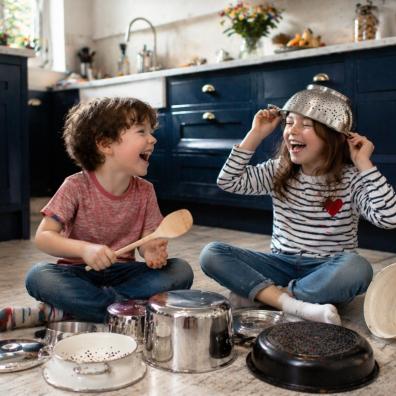
picture of Two children playing music with pots and pans in a kitchen

How to Encourage Children to Be Creative at Home

Creativity is one of those qualities that sounds wonderful in theory and can feel surprisingly difficult to foster in practice.

Encouraging creativity at home does not require expensive resources — it comes from giving children time, space, and permission to explore, imagine, and create freely.

Between the demands of school, screen time, after-school activities, and the general...

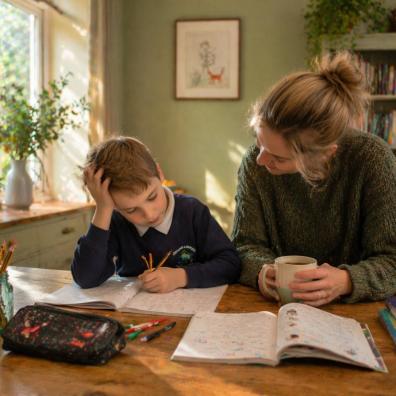
picture of Child working on homework with parent support at home, building confidence and resilience through learning

How Children Develop Confidence Through Trying

The first time a child comes home from school and announces they are "bad at maths", they are often five or six years old.

Children build confidence not by getting everything right, but by learning to keep going when things feel difficult.

They have struggled with a worksheet, have not finished it in time, and have drawn a conclusion that, if left unchallenged, can take years to...

picture of young boy reading a dinosaur book inside a cosy play tent with fairy lights, surrounded by toy dinosaurs and exploring his curiosity through play

Easy Ways to Support Children’s Curiosity

Supporting children’s curiosity doesn’t require expensive tools or complex plans. Simple everyday actions like encouraging questions, allowing free play and exploring together can help children develop a lifelong love of learning.

How Can You Support a Child’s Curiosity?

You can support children’s curiosity by encouraging questions, allowing time for exploration, reducing over-...

picture of tweens playing music together in a band, with one singing and the others playing instruments

Why Creative Activities Support Learning

Creative activities like drawing, storytelling and music help children learn more deeply by encouraging problem-solving, emotional expression and engagement. They support cognitive, social and emotional development, making learning more meaningful and memorable.

Why Are Creative Activities Important for Learning?

Creative activities help children learn by encouraging problem-solving...

picture of a child putting her hand to to ask a question

Why Asking Questions Helps Children Learn Better

Asking questions is a key part of how children learn, helping them develop critical thinking, communication skills and deeper understanding. Encouraging curiosity allows children to become more confident, engaged and independent learners.

Why Is Asking Questions Important for Children’s Learning?

Asking questions helps children learn more effectively by encouraging active thinking,...

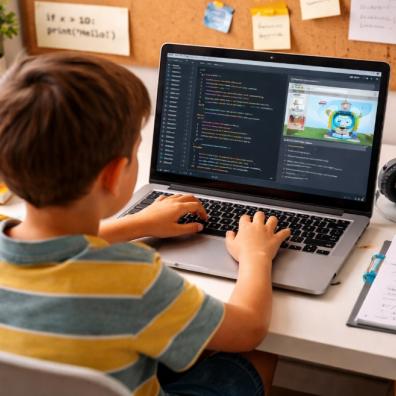
picture of child learning to code on a laptop at a desk, building problem solving skills and exploring a technology-based hobby

Why Letting Children Follow Their Passions Matters

Allowing children to follow their passions helps build confidence, motivation and emotional wellbeing. When children explore what genuinely interests them, they develop independence, resilience and a lifelong love of learning.

Why Is It Important for Children to Follow Their Passions?

Letting children follow their passions helps them build confidence, develop intrinsic motivation and...

picture of children engaging in creative play by dressing up in costumes

The Impact of Creative Play on Cognitive and Social Development

Creative play plays a vital role in children’s development, helping to build cognitive skills, social confidence and emotional understanding. Activities like role play, storytelling, drawing and building support how children think, communicate and interact with the world around them.

Why Is Creative Play Important for Child Development?

Creative play supports children’s cognitive and...

picture of tween girl practising knitting in a bedroom, learning a new hobby and building confidence and creativity

The Joy of Letting Children Discover New Hobbies

Letting children explore new hobbies helps build confidence, creativity and independence. By giving children the freedom to try different activities, parents can support their natural curiosity and encourage a lifelong love of learning.

Why Is It Important for Children to Try New Hobbies?

Trying new hobbies helps children develop confidence, independence and problem-solving skills....

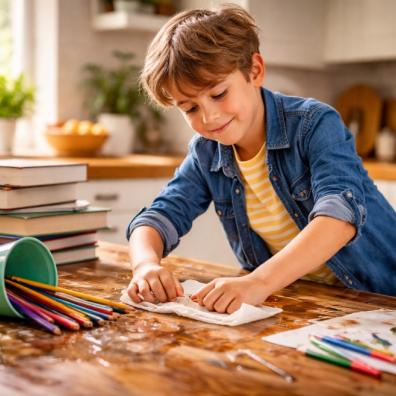
picture of child learning from a mistake by cleaning up spilled pencils and water, showing resilience, confidence and independent problem solving

Why Letting Children Make Mistakes Builds Lifelong Skills

Letting children make mistakes plays a crucial role in their development, helping them build resilience, confidence and independent thinking. Rather than preventing failure, giving children space to learn from their experiences can support long-term emotional and academic growth.

Why Is It Important to Let Children Make Mistakes?

Allowing children to make mistakes helps them develop...

picture of children playing outside in a garden using flowers, sticks and water to make imaginary potions, showing unstructured outdoor play and creativity

What Children Really Learn from Unstructured Outdoor Play

Unstructured outdoor play plays a crucial role in child development, helping children build confidence, creativity and problem-solving skills. As more families rethink education choices, many parents are recognising the importance of balancing academic learning with opportunities for free, child-led play.

Why Is Unstructured Outdoor Play Important for Children?

Unstructured outdoor...

Home Ed Daily - The site for UK home educators
Lifestyle Daily - For all the latest lifestyle news
Your Pets Daily - Your pets, our passion - advert
Property Daily - Your daily property news - advert banner
Women's Sport Daily - The new home of women's sport in the UK